First Shoots at Croft 22
Our first growing season on Bernera — without buildings or a polycrub, experimenting with crops and discovering what thrives, what struggles, and what gets eaten by escaped chickens.
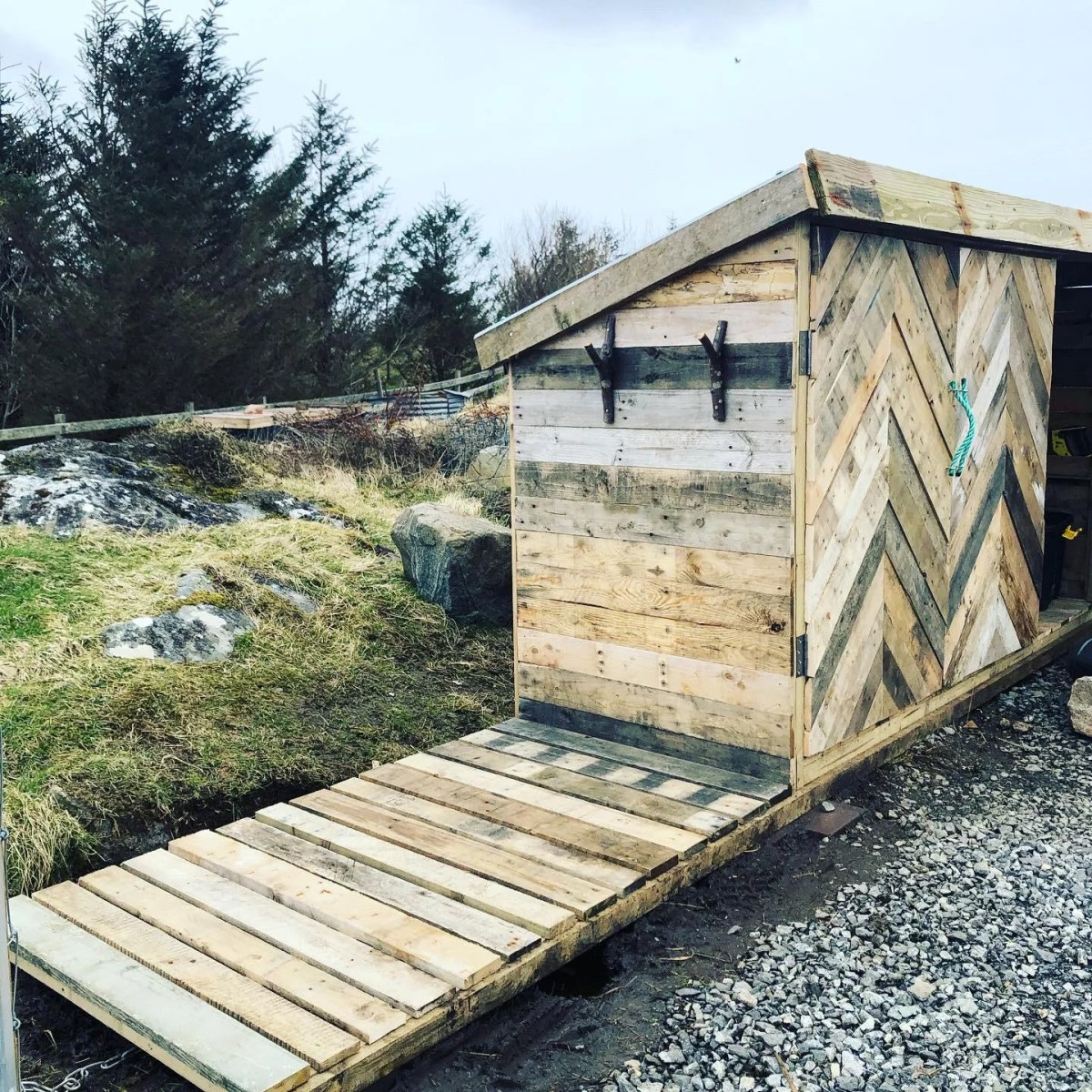
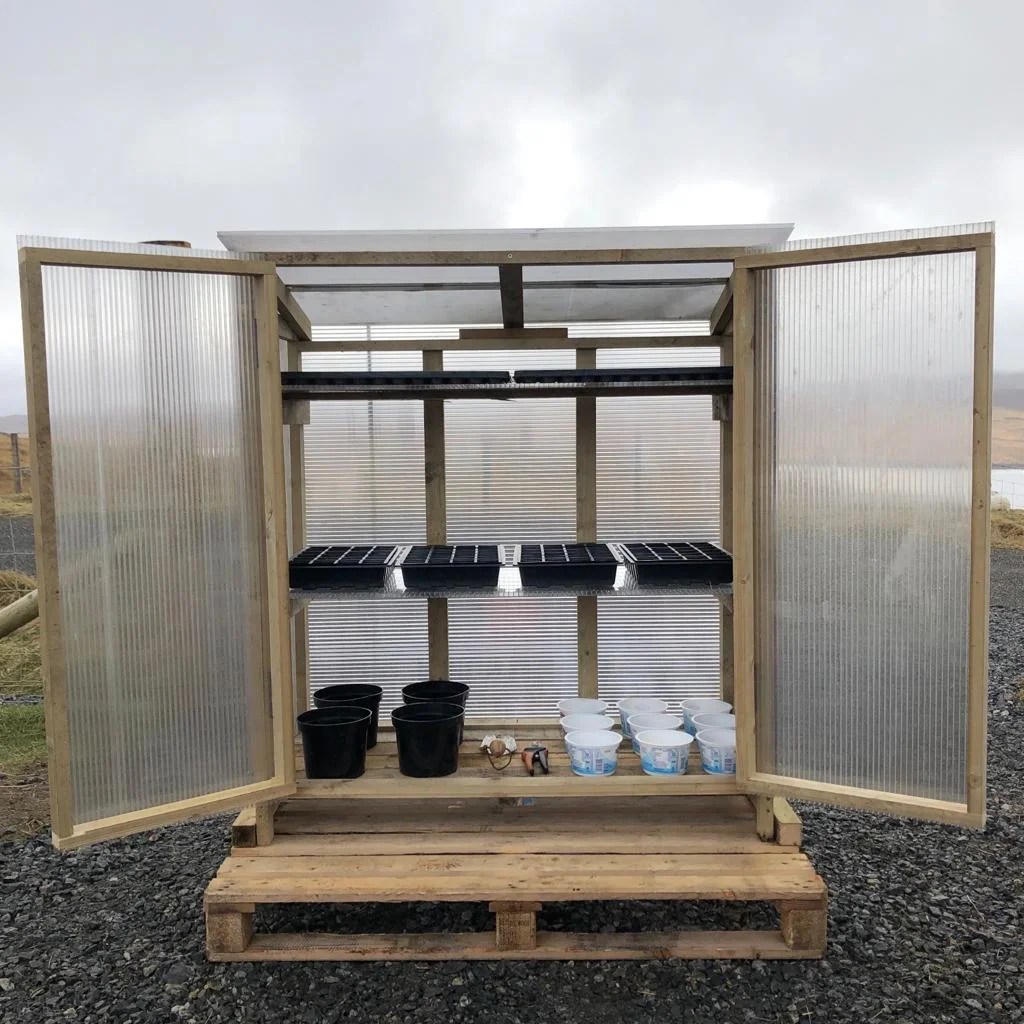
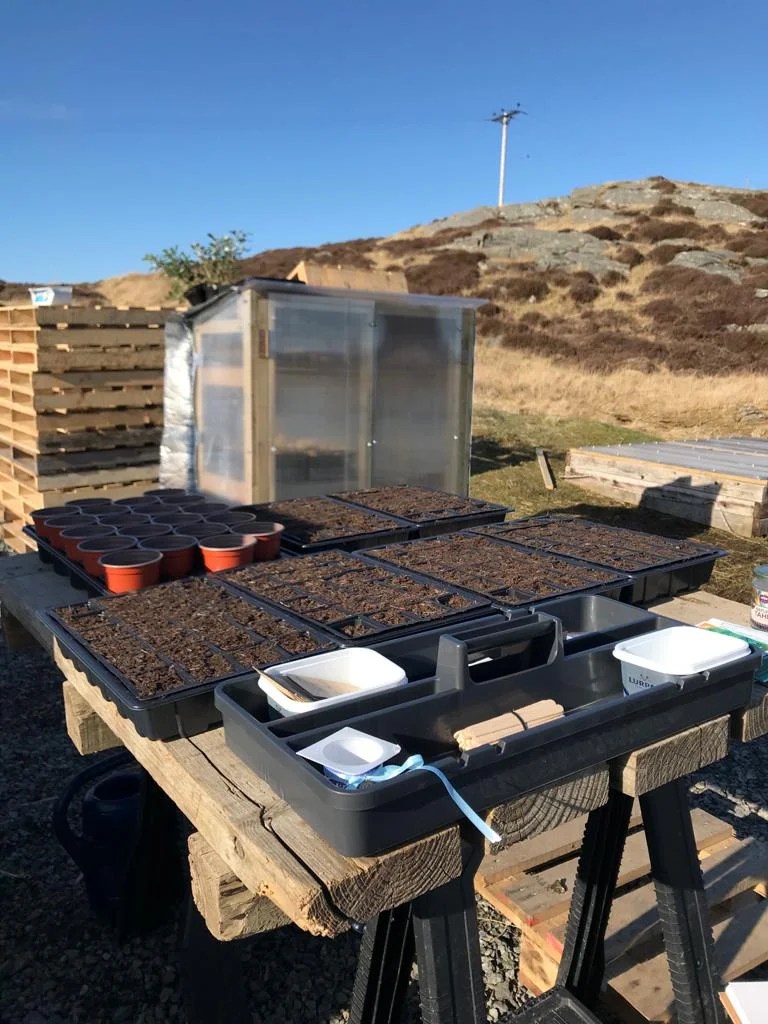
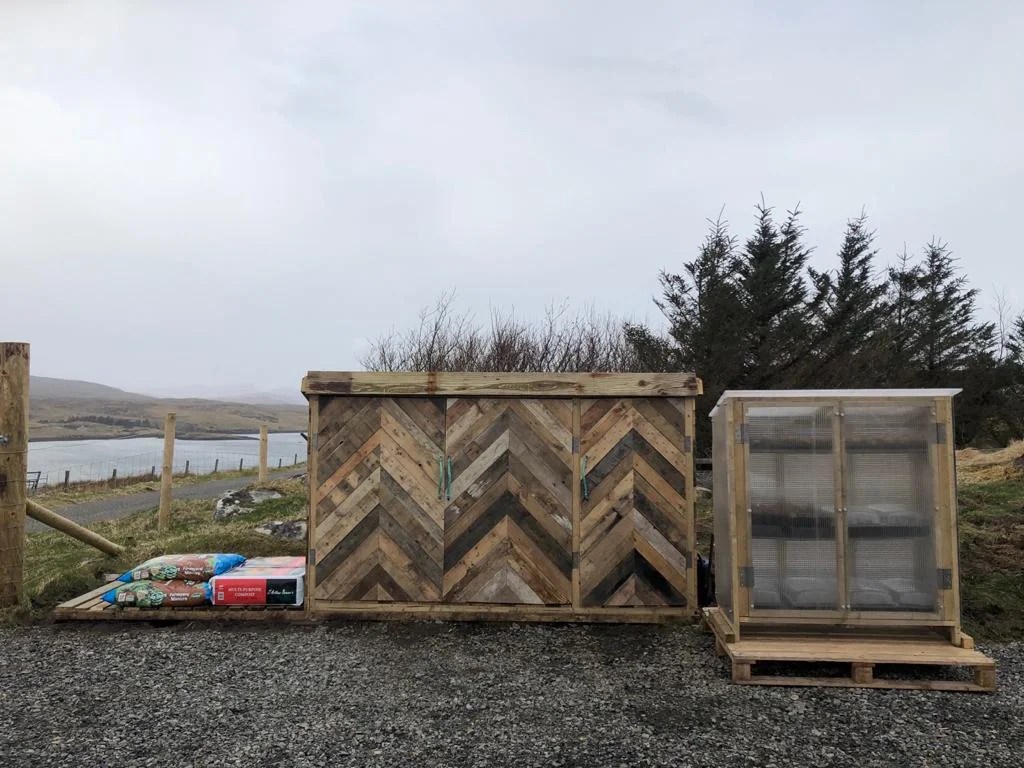
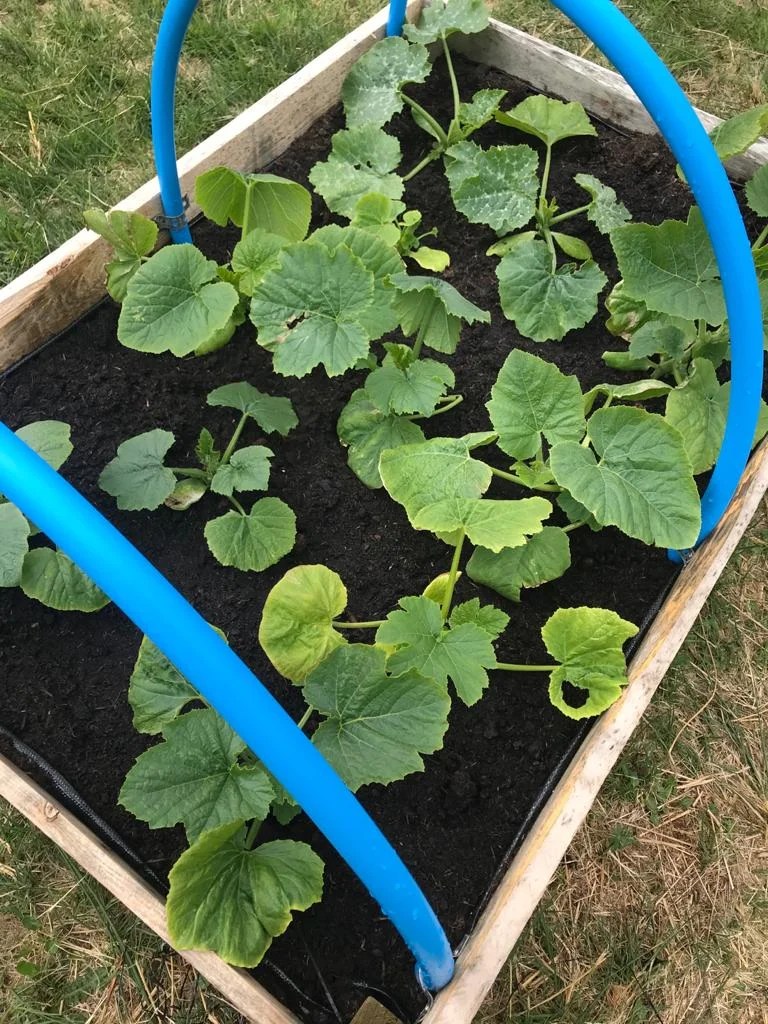
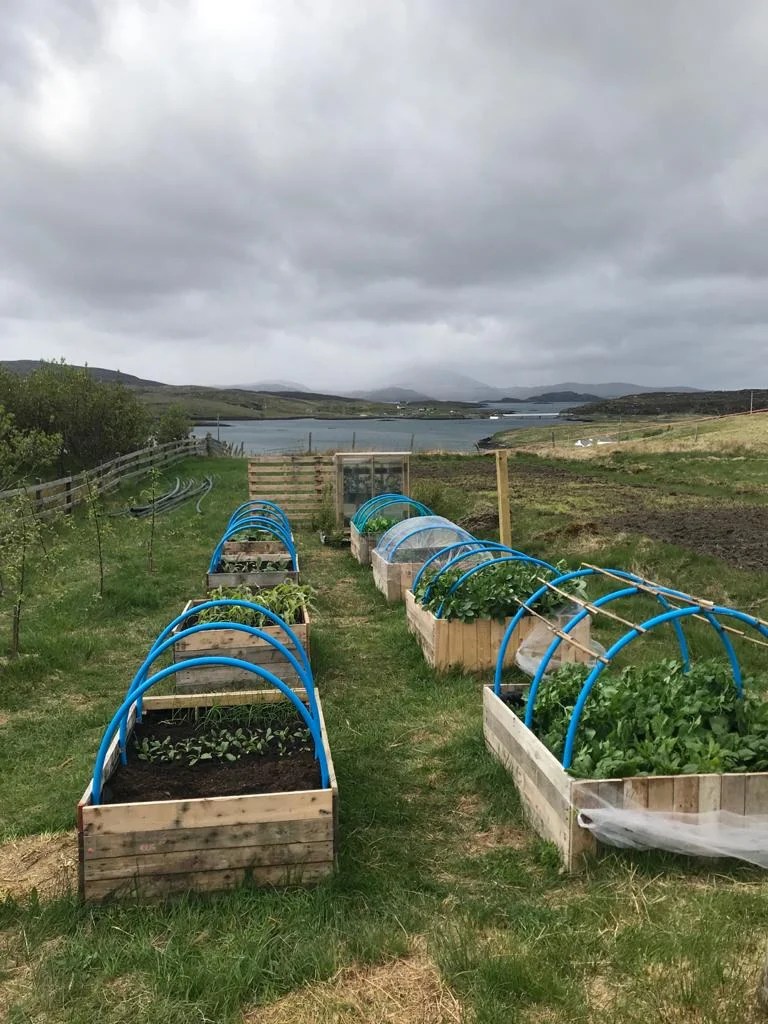
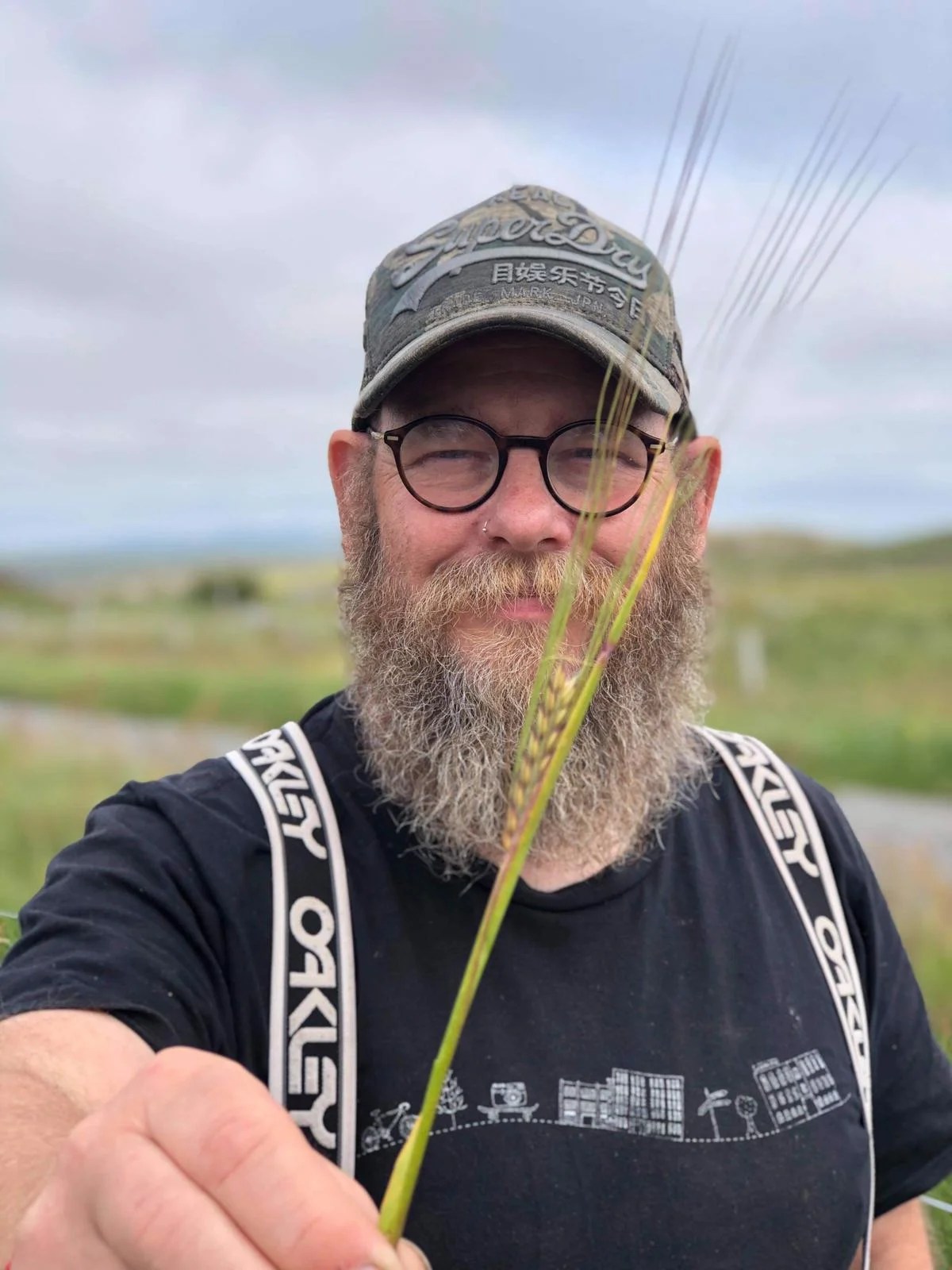
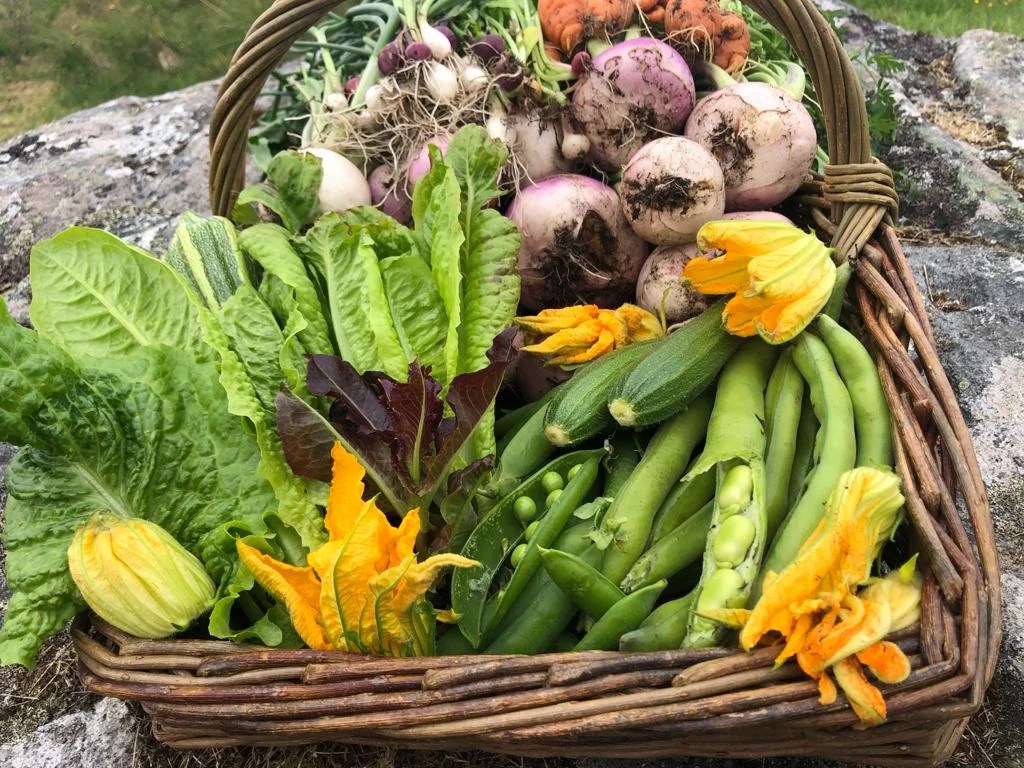
We at Croft 22, Kirkibost, have been residents for nearly 2 years but this year's growing season was our first on Bernera. In spite of being without buildings or polycrubs, we had decided to experiment with crops and varieties of vegetables. With no anecdotal or other information to hand, we had no idea what would work in the area we were growing in. The first harvest brought mixed results. Outdoor crops like courgettes and zucca marrows flourished, while flax, barley, potatoes and onions grew well in the ploughed field. Roman lettuce sustained the household throughout summer, Italian spinach proved delicious, and spring onions produced abundantly. Maize initially thrived before wind and dry conditions damaged it. Raised outdoor beds supported excellent growth of peas, broad beans, turnips, radishes, beetroot, onions, nasturtiums, cabbages, Italian carrots and chives. Sprouting broccoli, endive, butternut squash and kale replaced harvested plants. Fruit plantings showed promise — blackcurrants appeared, though gooseberry, raspberry and blackcurrant transplants struggled. Apple and plum trees had blossomed before orphan lambs browsed them. Scottish crowberries and artichokes thrived unexpectedly. Notable failures included aubergines, which disliked outdoor conditions, small buddleia plants killed by late frost, and complete crop failures with basil, mint and lamb's lettuce. Two Bernera sunflowers succumbed when escaped chickens consumed them. Crofting helps combat the climate issues of transporting and packaging our food — and with water and electricity now available, we're anticipating an expanded growing season ahead.